
Low vitamin B12 is not the same as the body suddenly containing no B12 at all. A deficiency can develop gradually, and symptoms may involve more than tiredness. Understanding the roles of the vitamin helps explain why assessment includes both symptoms and tests.
B12 helps maintain blood and nerve health. Neurological symptoms can occur without anemia, so symptoms and test results need to be considered together.
See it happen
The short film
46 seconds of visual science, followed by the fuller explanation below.
Illustrative nerve and myelin anatomy. The film does not show a specific patient or an inevitable pattern of damage.
One nutrient, several important jobs
Vitamin B12 helps maintain healthy blood and nerve cells and is involved in making DNA. Deficiency can cause a form of anemia called megaloblastic anemia. This can contribute to weakness or tiredness, but those symptoms have many possible explanations.
B12 occurs naturally in animal foods, including fish, meat, eggs and dairy. Some cereals, nutritional yeasts and other foods have B12 added. Labels help distinguish a fortified food from a product that does not supply it.
Getting enough also depends on absorption. The question is not simply whether someone has eaten one particular food recently. A clinician may need to investigate why B12 is low.
Sources: [1]
Why symptoms can involve the nervous system
B12 deficiency can cause neurological symptoms such as numbness, pins and needles, muscle weakness, or difficulty with balance and coordination. Changes in memory or thinking may also occur. Symptoms can arise without anemia.
These symptoms are not a reliable way to identify B12 deficiency on your own. Tingling, fatigue or poor concentration can have other causes, and a video cannot separate them.
The NHS advises seeking assessment when symptoms suggest a possible deficiency. Early diagnosis and treatment matter because some problems can persist if the condition is left untreated. This does not mean every symptom predicts permanent damage.
Sources: [2]
Tests need to be interpreted with the person
Assessment may include blood tests for vitamin B12, folate, hemoglobin and red-cell size. Results are considered alongside symptoms and other information. Some people have symptoms despite apparently normal vitamin levels; others have low levels without noticeable symptoms.
If a deficiency is suspected, finding the cause helps guide treatment. Further tests may be needed for problems affecting absorption, including pernicious anemia. A specialist referral can be appropriate in some situations.
Bring a list of symptoms, relevant medicines and existing results to the appointment. Do not use a single number found online as a complete diagnosis or a reason to ignore ongoing symptoms.
Sources: [3]
A useful next step is assessment, not guessing
The film connects blood cells and nerves because both can be affected. Its anatomy is illustrative; it does not show how quickly an individual condition develops or how a particular person will recover.
If you are concerned about a deficiency, ask a clinician about assessment and possible causes. Treatment choices and follow-up should reflect that evaluation. This article does not prescribe a supplement dose or tell you to stop a medicine.
Keep the mechanism in mind without turning it into a self-diagnosis: a symptom can raise a question, while clinical assessment helps answer it.
Common questions
Can low B12 affect nerves without anemia?
Yes. Neurological symptoms can occur without anemia. Symptoms and test results need to be assessed together.
Does tiredness mean I need B12?
Not necessarily. Tiredness has many possible causes, and a supplement is not a diagnosis.
Why investigate the cause?
Dietary intake and absorption problems can require different approaches. Finding the cause helps guide appropriate care.
Sources & further reading
Source links checked 25 October 2026. Follow them for the original health information.
Prepared by Curio Within using AI-assisted production and the sources above. This article has not been independently reviewed by a medical professional. General education, not individual diagnosis or treatment. Read our editorial policy.
Keep your curiosity going
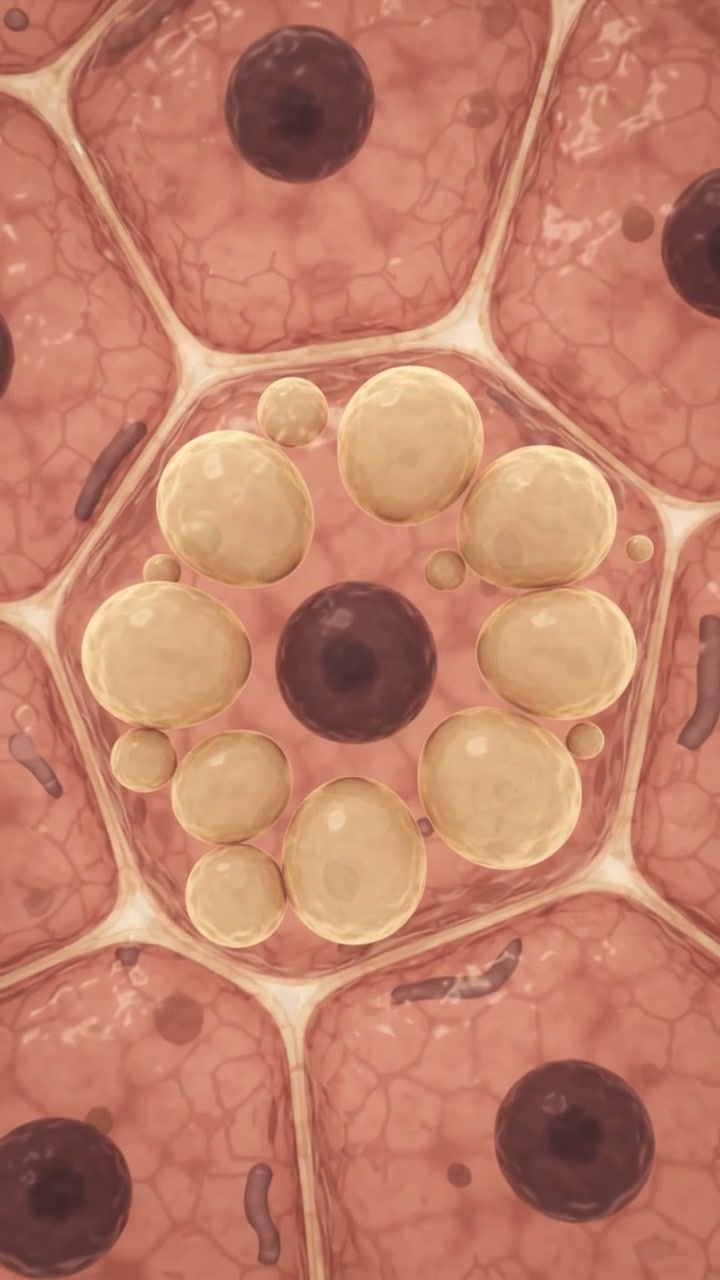 48.5 seconds film
Fatty liver: what happens inside your liver?
The fat builds up inside liver cells. Understanding that small detail changes how the whole story makes sense.
Read the story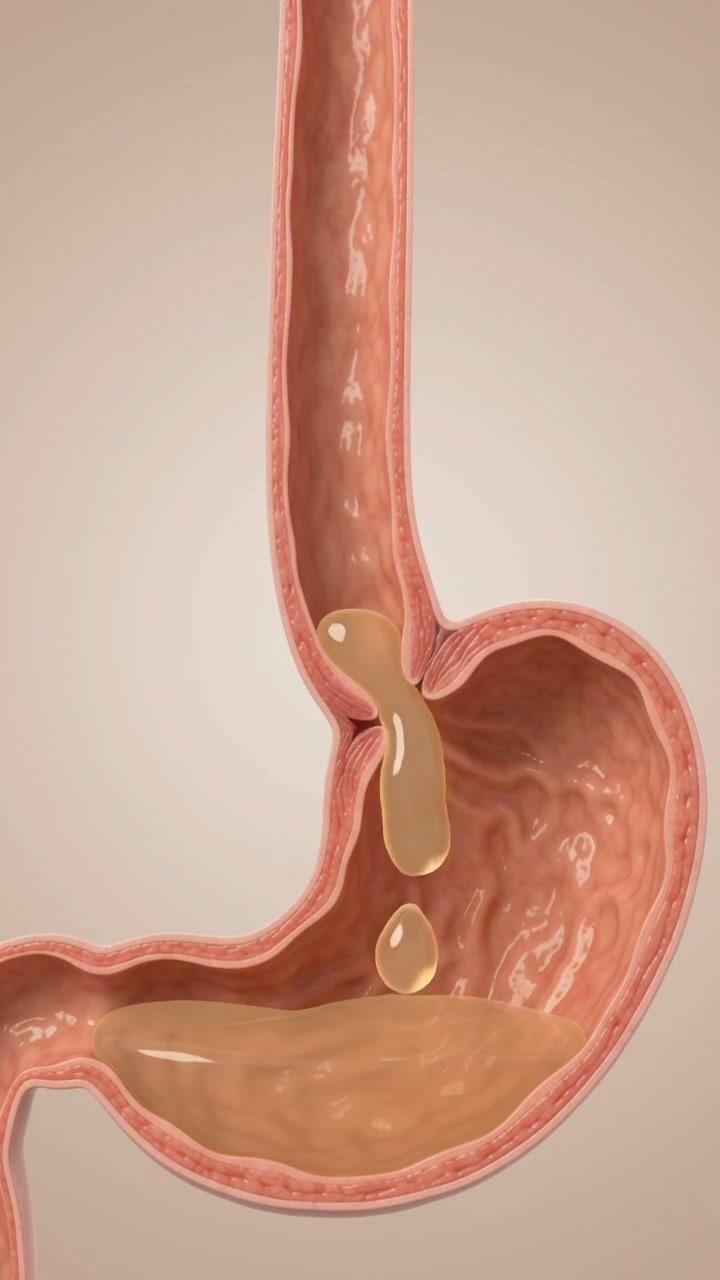 41.5 seconds film
Why does stomach acid come back up?
A muscle barrier, an unexpected change of direction, and the reason heartburn feels the way it does.
Read the story